
Communication Skills Test: Free Online Test With Score
Take NITO's free online communication skills test to assess your communication confidence and understand where you can improve.
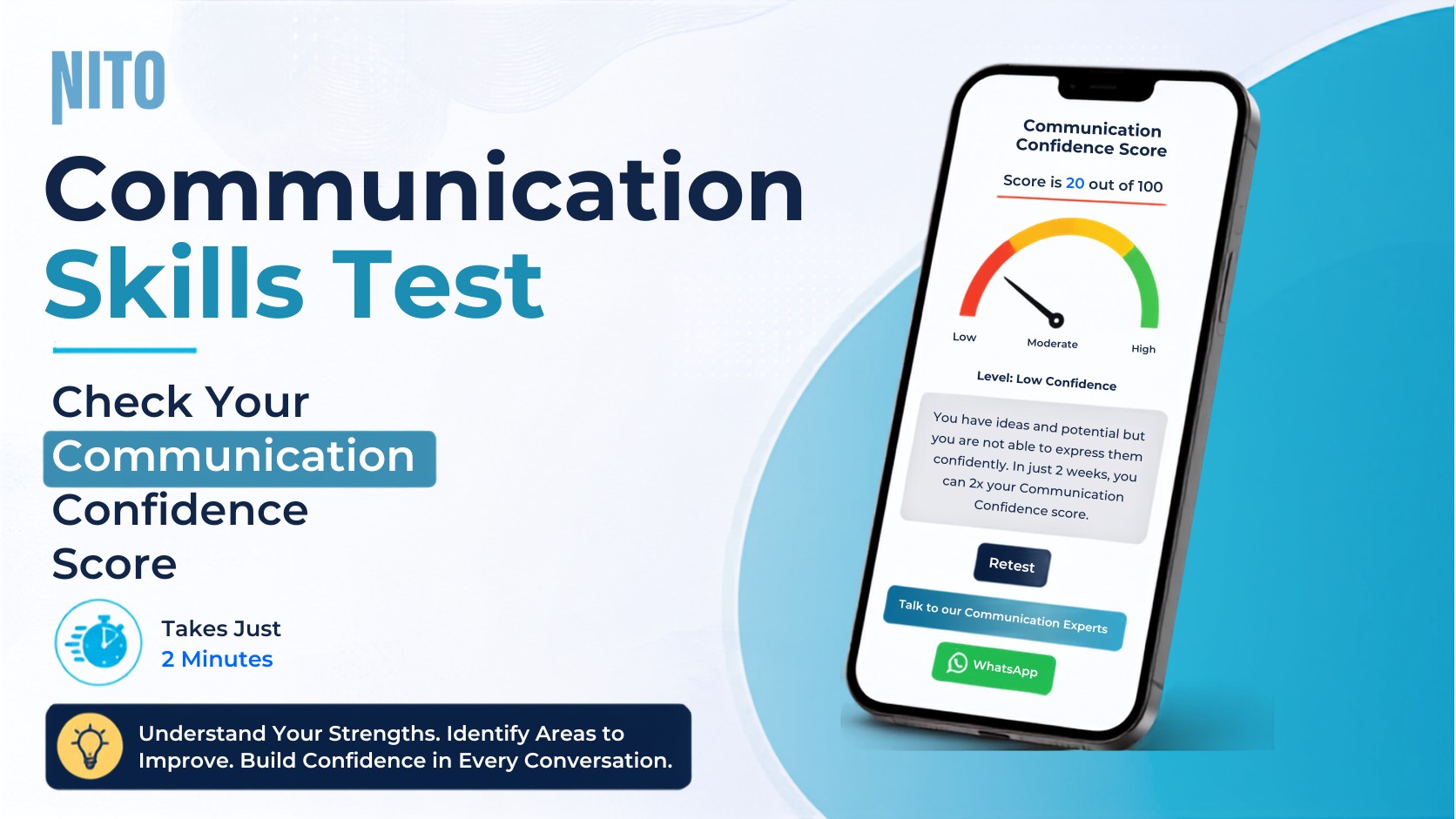
Get Your Communication Confidence Score in just 2 mins
This 2-minute communication skills test gives you a Communication Confidence Score out of 100. You'll reflect on real-life situations involving conversations, expressing ideas, interviews, body language, disagreements and public speaking.
The assessment is designed as a self-assessment. Your score reflects your current self-perceived communication confidence, not a permanent measure of your communication ability.
What Is a Communication Skills Test?
A communication skills test is an assessment designed to help you understand how effectively or confidently you communicate in different situations. Depending on the test, it may assess areas such as verbal communication, written communication, active listening, body language, public speaking, interpersonal communication and workplace communication.
A communication skills assessment can be useful for students, job seekers and young professionals who want to identify areas where they feel confident and areas that may need more practice.
NITO's communication skills test is specifically a self-assessment of communication confidence. Instead of presenting the result as a clinical or objective measurement of communication ability, it provides a simple snapshot of how confident you currently feel in common communication situations.
Take the Free Communication Skills Test Online
The NITO Communication Confidence Test takes about two minutes. Rate yourself from 1 to 5 based on how confident you feel in each situation, provide your details and receive your Communication Confidence Score.
The test covers seven areas that can influence how confidently you communicate.
Complete the assessment below and find out where your communication confidence currently stands.
Take the Communication Skills TestWhat Does the Communication Skills Test Measure?
1. Starting Conversations
Starting a conversation with someone you don't know can be uncomfortable. The test asks you to reflect on how confident you feel when approaching a new person and beginning a conversation.
This can matter when meeting classmates, joining a new team, networking, attending events or speaking with professionals.
2. Expressing Your Ideas
Effective communication involves more than having a good idea. You also need to explain your thoughts clearly so other people can understand them.
The assessment asks you to consider how comfortable you are when answering questions and presenting your ideas in a group.
3. Interview Communication
Interview communication involves organising your thoughts, answering questions clearly and remaining composed while speaking.
You may know the right answer during an interview but still struggle to communicate that answer with confidence. This is why interview communication is included in the assessment.
4. Body Language
Communication isn't limited to spoken words. Posture, eye contact, facial expressions and gestures can influence how your message is received.
The test encourages you to reflect on your confidence and awareness of non-verbal communication.
5. Handling Disagreements
Good communication doesn't mean agreeing with everyone. It also means being able to express a different opinion respectfully.
You may need this skill during group projects, classroom discussions, workplace conversations or disagreements with people around you.
6. Public Speaking
Presentations, seminars, group discussions and public speaking situations require you to communicate your ideas while other people are listening.
The assessment asks you to reflect on how calm and confident you would feel when speaking in front of a group.
7. Communication and Your Future Goals
Communication needs can change depending on your goals. A student preparing for college may need confidence in presentations and group discussions. Someone preparing for placements may need stronger interview communication.
Young professionals may need to communicate with colleagues, managers, clients and teams. The final question helps you reflect on how your current communication confidence matches your goals.
Take the Communication Skills Test
Find out your Communication Confidence Score in about 2 minutes.
Start the Free TestCommunication Skills Test Questions
Communication skills test questions can assess different situations rather than simply testing your knowledge of communication theory. Good questions often ask you to think about how you would respond, speak, listen or behave in a real-life situation.
Here are some examples of the types of questions that may appear in a communication skills test or assessment.
Example 1: Starting a Conversation
You join a new group where you don't know anyone. How comfortable are you starting a conversation with someone?
What it assesses: Social confidence and conversation skills.
Example 2: Expressing an Idea
You have an idea during a group discussion. How confidently can you explain it so that everyone understands your main point?
What it assesses: Clarity, organisation and verbal communication.
Example 3: Handling Disagreement
A classmate or colleague disagrees with your opinion. How confidently can you explain your position without becoming defensive?
What it assesses: Assertiveness, emotional control and interpersonal communication.
Example 4: Interview Communication
An interviewer asks you a question you weren't expecting. How confidently can you organise your thoughts and respond?
What it assesses: Interview communication and thinking under pressure.
Example 5: Public Speaking
You are asked to give a short presentation in front of a group. How calm and confident would you feel?
What it assesses: Public speaking confidence and presentation skills.
Types of Communication Skills Tests
Communication skills tests can be designed for different purposes. The questions and scoring method can vary depending on whether the assessment is intended for students, interviews, workplace training or personal development.
| Type of Test | What It May Assess |
|---|---|
| Verbal Communication Test | Clarity, confidence, expression and ability to communicate ideas verbally. |
| Written Communication Test | Clarity, structure, grammar, tone and effectiveness of written messages. |
| Active Listening Assessment | Ability to understand information, listen carefully and respond appropriately. |
| Non-Verbal Communication Assessment | Awareness of posture, eye contact, gestures and facial expressions. |
| Workplace Communication Test | Communication in meetings, teamwork, conflict, presentations and professional situations. |
| Interview Communication Test | Ability to answer questions clearly, organise thoughts and communicate confidently. |
| Communication Confidence Test | Self-perceived confidence across common communication situations. |
How Does the Communication Confidence Score Work?
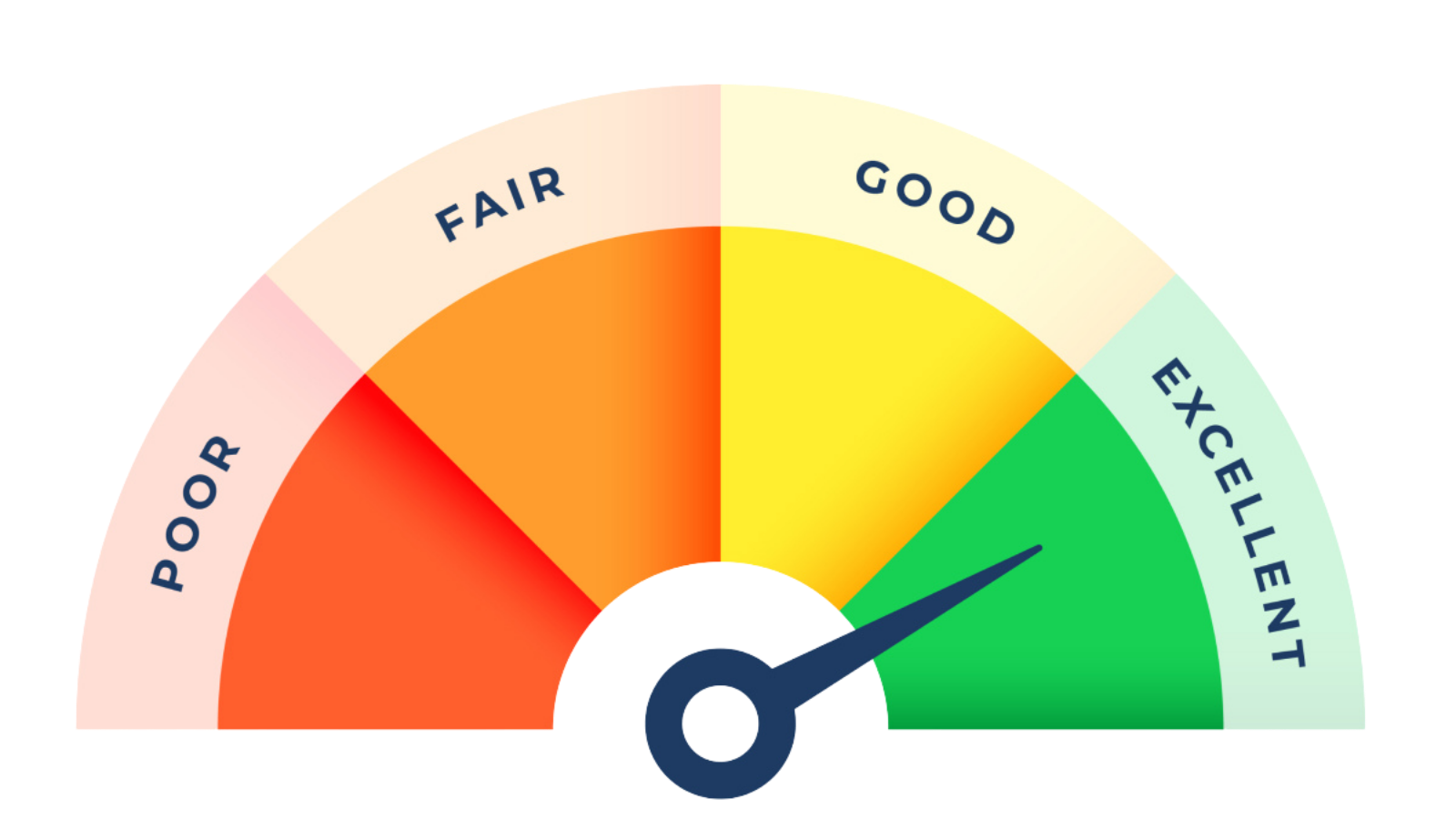
After completing the NITO communication skills test, your responses are converted into a Communication Confidence Score out of 100.
The result also includes a confidence level and personalised feedback based on your responses.
A lower score doesn't mean you're a poor communicator. It may simply indicate that you currently feel less confident in certain situations.
Similarly, a higher score doesn't mean there is nothing left to improve. Communication is a skill that develops through practice, feedback and repeated real-world experience.
Why Should Students Take a Communication Skills Test?
Students communicate in many situations before they enter the workplace. These include classroom discussions, presentations, group projects, college interviews, internships, networking events and public speaking.
A communication skills assessment can help students identify situations where they feel confident and situations where they may want more practice.
If you're working on your communication skills for college, interviews or your future career, you can also read NITO's guide on how to improve communication skills .
How Can You Improve Your Communication Skills?
Practise Speaking Regularly
Look for opportunities to speak instead of avoiding them. Participate in discussions, explain your ideas, ask questions and practise with different people.
Organise Your Thoughts
Before speaking, identify your main point. A simple structure can make your communication easier to follow:
Improve Your Active Listening
Communication is a two-way process. Listen carefully when someone is speaking instead of planning your response while they're talking.
Practise Public Speaking
Start with two or three minutes on a topic you know well. Practise in front of a friend, record yourself or gradually increase the size of your audience.
Work on Your Body Language
Pay attention to posture, eye contact, facial expressions and gestures. The goal is to become more aware of how your non-verbal communication supports your message.
Ask for Feedback
A teacher, mentor, friend or colleague may notice communication habits that you don't notice yourself. Ask for specific feedback and work on one improvement at a time.
For a structured approach, see the 10 practical tips to improve communication skills .
Communication Skills Test vs Communication Skills Course
A communication skills test and a communication skills course serve different purposes.
| Communication Skills Test | Communication Skills Course |
|---|---|
| Helps you understand your current confidence. | Provides structured learning and practice. |
| Identifies situations where you may need more practice. | Helps you build and practise specific skills. |
| Provides a score and feedback. | Provides exercises, activities and feedback. |
| Can be repeated to reflect on progress. | Provides ongoing opportunities to improve. |
A useful improvement cycle is:
If your score shows that you want to develop specific communication skills, you can learn more about the NITO Communication Skills Course , which focuses on practical communication skills for students and young professionals.
Frequently Asked Questions About Communication Skills Tests
What is a communication skills test?
A communication skills test is an assessment that helps you evaluate communication abilities or confidence across different situations. Depending on the assessment, it may cover verbal communication, written communication, listening, body language, public speaking or workplace communication.
How can I test my communication skills?
You can take an online communication skills assessment that asks you to reflect on common communication situations. NITO's Communication Confidence Test takes about 2 minutes and provides a score out of 100.
Is there a free online communication skills test?
Yes. NITO provides a free online communication skills self-assessment that takes about 2 minutes and gives you a Communication Confidence Score out of 100.
What does a communication skills test measure?
It depends on the assessment. Communication tests may measure areas such as verbal communication, written communication, listening, body language, public speaking, interpersonal communication and confidence in workplace or interview situations.
What are communication skills test questions?
Communication skills test questions are questions designed to assess how you communicate in different situations. They may ask about expressing ideas, starting conversations, handling disagreements, interviews, public speaking or listening.
Is a communication skills test useful for students?
Yes. Students can use a communication skills assessment to reflect on their confidence during presentations, group discussions, interviews, networking, classroom communication and public speaking.
How long does the NITO Communication Skills Test take?
The NITO Communication Confidence Test is designed to take about 2 minutes.
What does a Communication Confidence Score mean?
A Communication Confidence Score is a score out of 100 based on your responses to questions about different communication situations. It provides a snapshot of your current self-perceived communication confidence.
Can communication skills be improved?
Yes. Communication skills can be developed through regular practice, active listening, public speaking practice, structured thinking, feedback and repeated experience in real-world situations.
What should I do after taking a communication skills test?
Review your score and identify the areas where you feel least confident. Then practise those skills and seek feedback. If you want structured training, you can also consider the NITO Communication Skills Course .
Ready to Check Your Communication Skills?
Your score is only the starting point. Take the free communication skills test, understand your current communication confidence and identify the areas you want to improve.
When you're ready to build stronger communication skills through structured practice, explore the NITO Communication Skills Course .
Take the Free Communication Skills Test